Duvet covers and bed skirts are essential components of bedroom textiles, offering protective layering and a refined finish. This category highlights how duvet covers safeguard comforters from wear and stains while enabling easy color and texture updates. Materials often include cotton, microfiber, or blends that balance softness, breathability, and durability for varied sleep environments.
Abriana Duvet Cover demonstrates how design and practicality intersect, featuring a smooth zipper closure, neatly stitched edges, and a reversible pattern option. Such details contribute to ease of use with bedding systems and align with bedroom aesthetics, whether seeking understated elegance or a bold statement in texture and color.
BOVI Bitsy Dots Duvet Covers showcase playful motifs with durable construction, making them suitable for families and guest rooms alike. The woven fabric supports frequent washing, resists pilling, and maintains a crisp appearance over time, while coordinating with a range of comforter fills and weights for different seasons.
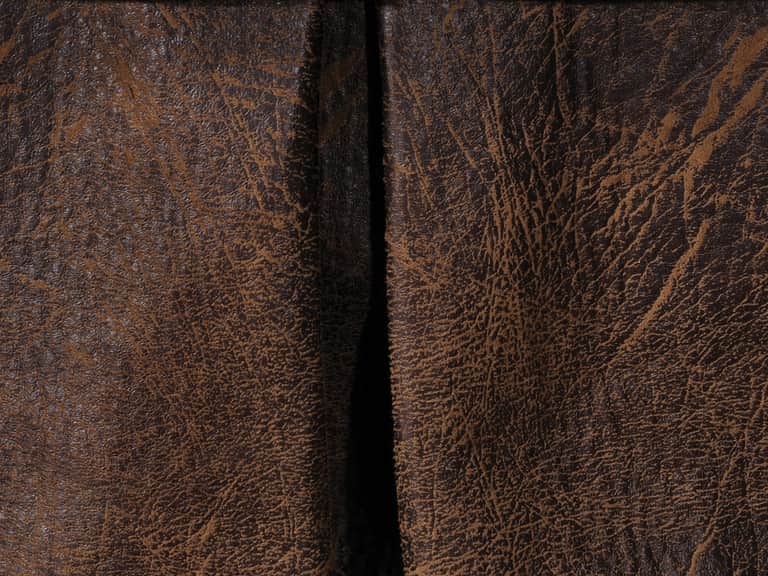
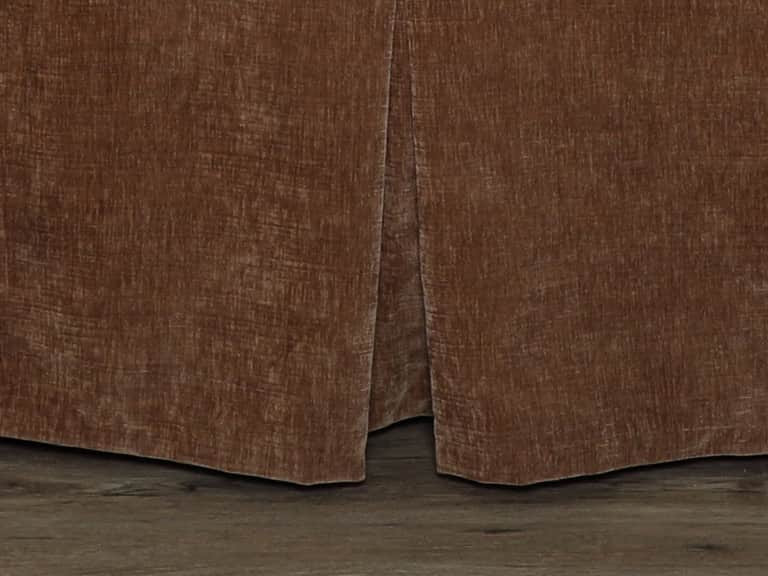
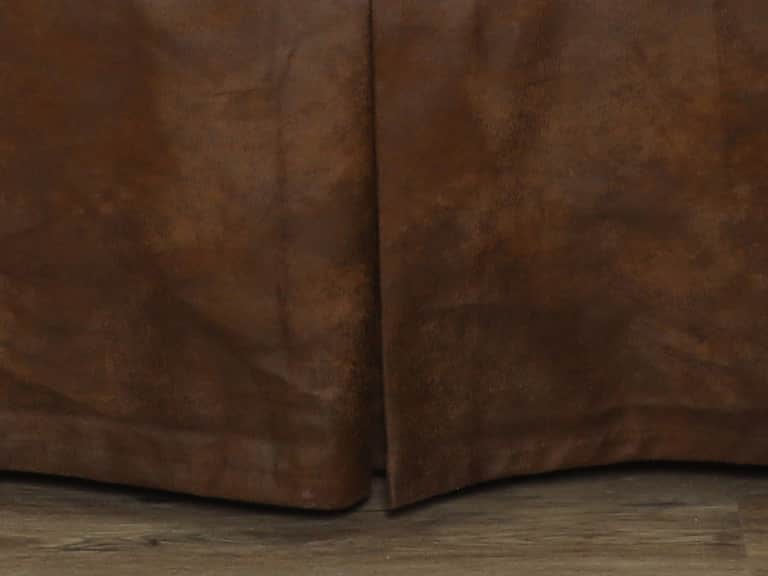
Sunset Canyon Bed Skirt offers structured tailoring that conceals under-bed storage and provides a clean, finished look. Bed skirts help maintain a streamlined silhouette on platform bed frames, adjustable beds, or traditional bed frames, enhancing room proportions and reducing visible under-bed clutter.
Together, these textiles support versatile bed configurations—from platform bed frames to adjustable beds—by balancing style, function, and maintenance. The included meta keywords furniture, platform bed frames, adjustable beds, bedding, and comforters reflect the category’s focus on practical usability, compatibility, and long-term comfort in a well-made sleep environment.
 Bedding