How to Build a Sleep-Friendly Bedroom: Practical Layout, Lighting, and Temperature Tips
In a world filled with noise and hurried routines, the bedroom remains one of the most sacred spaces in which we recharge. This guide, written in the spirit of careful observation and enduring habit, explores how a thoughtful layout, deliberate lighting, and adaptive temperature control can transform a room into a sanctuary for deep, restorative sleep. Drawing from a blend of timeless design principles and contemporary research on circadian rhythms, the article threads together practical steps, science-informed insights, and a curated sense of place that resonates with a wide audience, including students moving into new spaces, renters seeking adaptable strategies, and homeowners pursuing lasting comfort.
I. Thoughtful Layout: Designing a Sleep-Optimized Floorplan
A sleep-friendly layout begins with how the bed sits within the room. The bed is not merely furniture; it is a threshold between wakefulness and rest. Room geometry, door swing, and sightlines influence how disturbances—the creak of hinges, hallway light, or a passing car—behave inside the space. A calm, ordered layout helps the mind settle more quickly into a state of repose.
- Bed Placement: Position the bed away from doors when possible, ideally along a stable wall that offers a sense of enclosure. If the door is visible from the bed, use a privacy screen or a low-profile headboard to dampen movement cues without closing the room off.
- Zones for Sleep and Recovery: Create distinct zones within the room: a sleep zone centered on the bed, a small contemplation nook, and a soft-landing area for dressing and reading. Clear separation reduces cognitive overlap between wakeful activities and rest.
- Circulation and Accessibility: Ensure at least 2.0 to 3.0 meters of clear space around the bed for easy movement. This reduces friction when entering or exiting the space during night awakenings.
From a design perspective, the layout is a stage for daily rituals. A well-considered arrangement reduces cognitive load, allowing the brain to transition to sleep with fewer environmental cues competing for attention. The goal is not to erase all stimuli but to curate a room that feels predictable, gentle, and safe each night.
II. Lighting for Sleep: Guiding Circadian Rhythms Through Light
Lighting wields outsized influence on circadian biology. In the hours before bed, exposure to warm, dim light signals the brain to wind down, while bright lights near waking times help synchronize alertness. The strategy is to cultivate lighting that supports the body’s natural rhythms and reduces late-evening cortisol spikes that can delay sleep onset.
- Layered Lighting: Use a combination of ambient, task, and decorative lighting. Dimmable fixtures allow gradual transitions from daytime brightness to bedtime warmth.
- Color Temperature: Favor warm white (around 2700–3000K) for evening hours. Cooler temperatures (around 4000K) can be suitable for daytime tasks but should be minimized after sundown.
- Blackout and Window Treatments: Heavier drapes or blackout shades help maintain darkness during late-sleep hours, particularly in urban environments with streetlights or early dawn light.
Beyond artificial light, consider the ambient glow of electronics. Blue-light exposure before bed can delay melatonin production. A simple rule is to reduce screen time at least one hour before sleep, or employ blue-light-filtering modes and amber-tinted lighting to ease the transition to rest.
III. Temperature and Acoustics: The Silent Partners of Sleep
Temperature and sound are intimate, often overlooked players in sleep quality. The body’s core temperature drops as sleep progresses, and a bedroom that supports this natural cooling process can shorten sleep onset and improve overall sleep depth. Equally, audial environments—quiet, consistent soundscapes—can shield sleepers from disruptive noises and preserve a sense of calm.
- Temperature Range: A bedroom temperature around 60–67°F (15–19°C) is commonly associated with better sleep in adults, though individual preferences vary. Layer draughts with breathable bedding and adjust the thermostat or use a fan to dial in comfort without overheating.
- Breathable Fabrics and Layers: Choose bedding and sheets that wick moisture and promote air circulation. Materials such as cotton percale offer coolness, while light quilts or blankets enable flexible layering for seasonal changes.
- Acoustic Management: Soft, consistent sound—such as a white noise machine, a fan in the background, or a gentle rain soundtrack—can mask irregular noises that disturb sleep cycles without fully blocking out environmental state cues.
Acoustic optimization is not merely about silence; it is about shaping a soundscape that feels predictable. In a National Geographic frame, the bedroom becomes a micro-ecosystem where temperature, air movement, and sound co-evolve to foster restorative sleep. The human body, after all, seeks a space that is quiet enough for quiet thoughts and cool enough to drift into the next phase of rest.
IV. Bedding, Textiles, and the Fabric of Rest
The textiles that touch the skin are not mere accessories; they translate the room’s temperature, humidity, and comfort into tactile experience. The right sheets, blankets, and pillow arrangements create an interface between physiology and psychology. In the Sleep-Friendly Bedroom, texture and weave have a language of their own.
- Sheets and Bedding: The Bovi Escada Sheet Sets, crafted from 100% cotton percale with a 200-thread-count, offer a cool, breathable foundation. The crisp hand and matte finish of percale create a hotel-like clarity that remains durable with repeated washings. These sheets are a practical example of how textiles shape everyday comfort without overpowering a room’s muted palette.
- Comfort and Temperature Regulation: Layering with a duvet cover and breathable blankets allows adjustments for seasonal shifts. A removable duvet cover helps protect the bedding and simplifies care while preserving the room’s clean, restful aesthetic.
- Pillow and Topper Choices: Choose pillow fills and lofts that align with sleeping position and neck support. A blend of down and alternative fills provides a balance between softness and resilience, helping each sleeper find a stable alignment through the night.
In a setting that aspires to calm clarity, textiles that breathe—cottons, percale weaves, and natural fibers—allow the room to respond to the body’s changing temperature and humidity. The aim is to craft a sleeping surface that feels neither suffocating nor insubstantial, a compromise of support and airiness that makes turning in the night a gentle ritual rather than a jolt.
V. The Human Voices: Figures Who Shaped Sleep and Space
The science and craft of sleep sanctuaries have been enhanced by minds across time, whose insights continue to guide modern homes. Three notable individuals, spanning distinct eras, illuminate the path from lived experience to design literacy.
- Aristotle (4th century BCE): The ancient philosopher’s interest in the harmony of space, form, and function offers a foundation for thinking about how environments shape mood and behavior. Though not a sleep scientist by title, Aristotle’s teleological approach—considering the purpose of a space and its impact on human activity—foreshadows modern design thinking about sleep ecology.
- Francis Bacon (1561–1626): An early proponent of empirical inquiry, Bacon’s advocacy for observation and methodical reasoning underpins a modern, evidence-informed design ethos. Sleep space, when studied with careful observation of light, temperature, and sound, becomes a laboratory where habits can be refined and measured over time.
- Ingrid Fetters (late 20th century–present): A contemporary exemplar in sleep ergonomics, Fetters represents the evolving field that blends physiology, psychology, and interior design. Her approach—prioritizing evidence-based guidance while maintaining inclusive accessibility—mirrors the site’s own aim: to offer practical, science-informed recommendations that are usable by a broad audience.
These figures, separated by centuries, share a common thread: space matters. The arrangement of the room, the cadence of light, and the whisper of air become co-authors to our nightly story. The Sleep-Friendly Bedroom is not a single composition but a symphony of small decisions—each note carefully tuned to nurture rest, health, and the day’s renewal.
VI. A Practical Toolkit: Core Assets for a Sleep-Friendly Bedroom
To translate theory into practice, a concise toolkit helps homes transition toward more restful nights. Here are recommended elements and a brief plan for implementation, balanced with product exemplars that illustrate quality and function.
- Core Bedding Foundation: Bovi Escada Sheet Sets provide a breathable base with a clean aesthetic. Their percale weave and 200-thread count are ideal for hot sleepers or those seeking a crisp, hotel-like feel that still respects everyday durability.
- Layering and Coverage: A duvet cover in a neutral hue, paired with a lightweight comforter, enables seasonal adaptability. The Bitsy Dots collection, with its playful yet refined pattern, demonstrates how thoughtful textiles can elevate a sleep space without overpowering it.
- Temperature Control Tools: A breathable ceiling fan or a smart thermostat that coordinates with adaptive lighting can preserve a cool-to-warm progression through the night, aligning with circadian rhythms.
A sleep-ready bedroom embraces incremental change. Start with a layout and lighting audit, then advance to textiles and temperature adjustments. Over weeks, note how sleep onset and duration improve as the environment becomes more predictable and comfortable. The aim is not a radical redesign but a patient, data-informed refinement that respects the room’s existing architecture and the occupants’ rhythms.
Closing Note: The Calm Room as a Compass for Daily Life
In a world of constant motion, the bedroom can serve as a sanctuary that anchors daily life to a rhythm of rest. Every choice—the placement of the bed, the glow of the lamp, the temperature of the air, the texture of the sheets—contributes to a sense of calm that travels beyond the walls of the room. The Sleep-Friendly Bedroom is a living system: it invites ongoing observation, thoughtful adjustment, and a respect for the subtle science of human rest. By embracing layout, light, and climate as integrated design elements, homeowners and renters alike can transform a basic sleeping space into a place of renewal and clarity.
Product Spotlight
Bovi Escada Sheet Sets
Crisp 200-thread-count cotton percale for a cool, breathable sleep surface. A clean, tailored look that lasts.
View productBitsy Dots Sheet Set
Playful, refined pattern with breathable percale. Easy-care for everyday luxury.
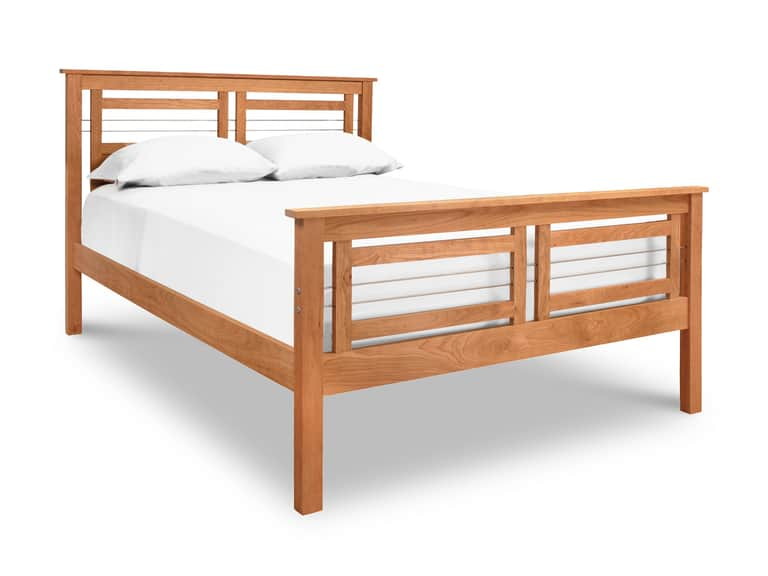
View productContemporary Cable Bed
Solid hardwood frame with modern cable accents for a refined, durable bed base.
View product